



Buyer’s Guide for Dog Park Equipment
What’s Inside
- Why add dog park equipment
- Core requirements (site, enclosure, surfaces, water)
- Dog agility equipment
- Types of dog park products
- Best practices for dog waste removal
- Seating, signage & lighting
- How to raise funds
- Success stories
- Summary, About & Resources
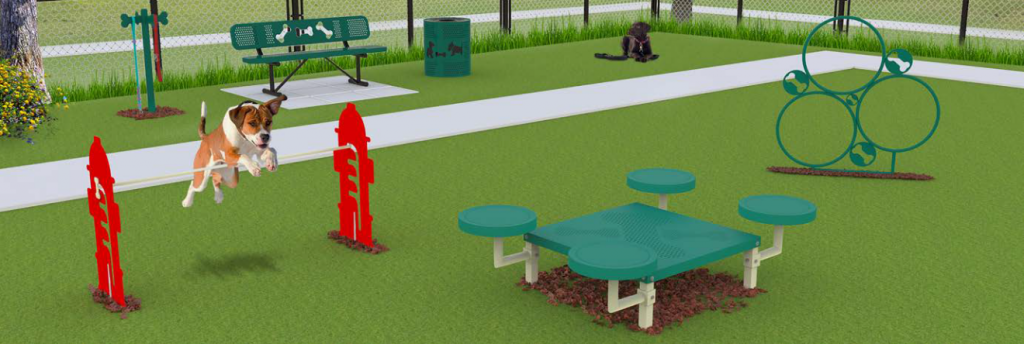
Why add dog park equipment to your facility?
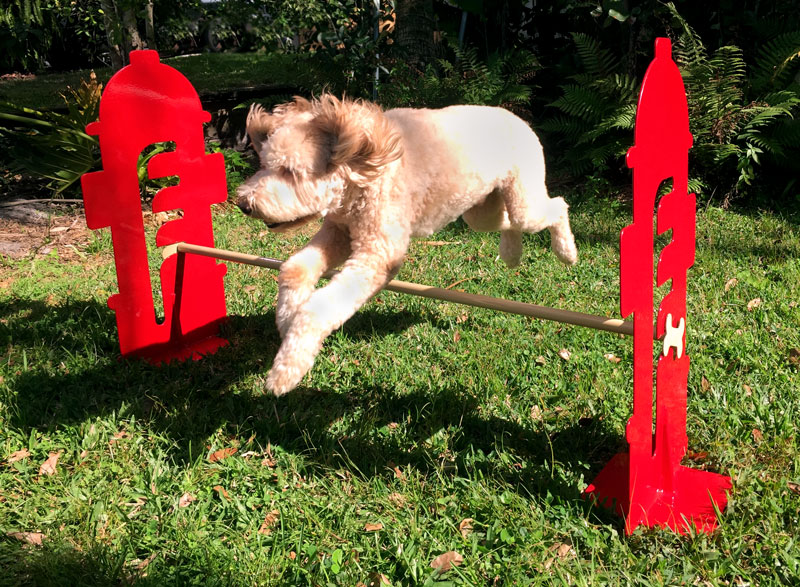
Dog parks are purpose-built spaces where dogs are invited, not just permitted. Dog owners are taxpayers and community members—just like youth athletes and parents—and facilities that provide for dogs see benefits across the board.
Well-designed dog parks build community, support canine socialization (improving behavior), encourage healthy activity for people and pets, and can even boost homebuyer interest. National surveys show tens of millions of U.S. households own dogs, and dog parks have grown steadily nationwide.
What are the requirements?
Pick the right site
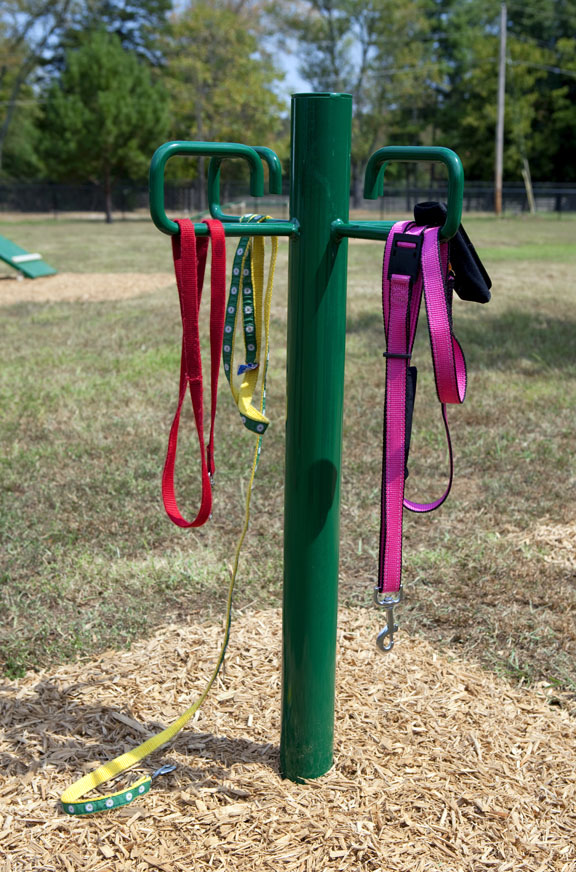
Avoid undesirable locations. Plan for parking and access to power/water. Small parks are fine, but plan multiples: the minimum recommended size is ~½ acre, with 1 acre+ ideal for demand.
Enclosure & entry
Fence every dog park. A six-foot chain link fence with tight bottom (e.g., a rod through the bottom edge) prevents digging/escape. Use a double-gate “doggie airlock” so dogs can safely enter/exit off-leash within the transition space.
Surfaces, plants & shade
Choose dog-safe surfaces and plantings. Avoid hot, abrasive or toxic choices (no rubber/cocoa mulch). Mulched wood/wood chips are durable and sustainable. Be cautious with artificial turf (odor/bacteria control). Provide shade via trees and/or canopies; anchor structures securely.
Water (for dogs & people)
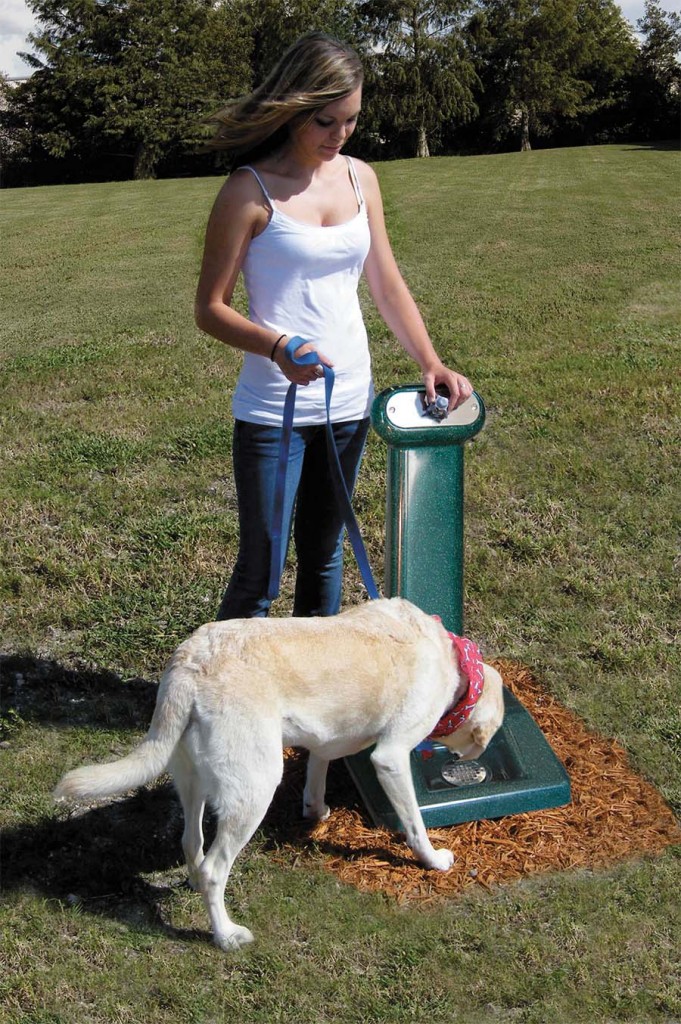
Adequate water is essential. Dogs dehydrate quickly. Install dual-height fountains that serve humans and pets—for example, a standard bubbler plus a dog fountain at base.
What you need to know about dog agility equipment
Select specialized equipment built for outdoor public use: paw-friendly, slip-resistant, UV-stable, and finished to repel stains/urine. Most dogs need simple training to use obstacles—classes or posted tips help participation. Consider bundled dog park kits to outfit new spaces cost-effectively.
Types of dog park products
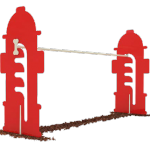


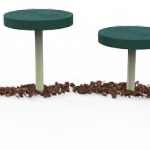
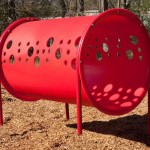
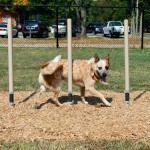
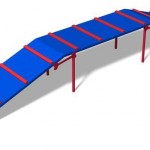
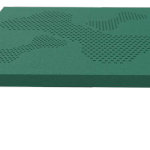
Tip: Any equipment dogs climb or sit on should use a durable, slip-resistant finish that repels urine for hygiene and longevity.
Best practices for dog waste removal
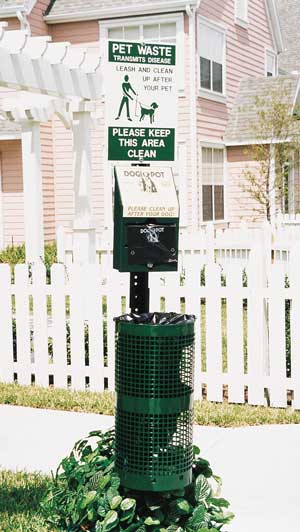
Waste stations: you can rarely have too many. A pet waste station combines a lined receptacle with a bag dispenser (some include sanitizer). Install more than you think you need, keep them stocked, and position them where people actually walk so compliance stays high. Many users prefer opaque bags; consider biodegradable options.
Places to sit, rules & lighting
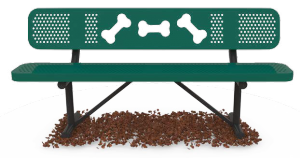
Seating: Avoid movable plastic chairs; they break and clutter parks. Use permanent, durable dog-themed benches. Do not allow tables for food inside the dog area.
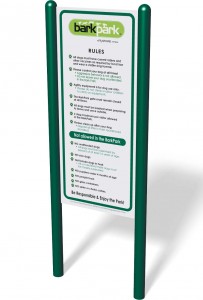
Signage: Post clear rules just outside/inside entries (including bite protocols and unacceptable behaviors). Place multiple signs to ensure visibility.
Lighting: If open before sunrise/after sunset, light the parking, gates, and interior so owners feel safe and can spot waste for pickup.
How to raise funds for dog park equipment
When budgets are tight, combine approaches: donation jars, crowdfunding, grants, in-kind services, yard sales, raffles, local business sponsorships, and volunteer work days. Form a Dog Owners Group (D.O.G.) and pursue nonprofit status (e.g., 501(c)(3)) for tax-deductible donations.
Engage vets, groomers, pet stores, walkers, and civic groups. Plan targeted outreach to officials and the broader community, including those who are not dog owners; emphasize public benefits (safety, cleanliness, active living).
Note: Private membership parks can offer added amenities via fees but should plan for appropriate liability coverage; public parks may have different protections.
Dog park success stories

California hosts some of the oldest U.S. dog parks; Texas has built expansive, feature-rich parks (e.g., large swim areas and robust airlocks). New Orleans rallied post-Katrina to build a beautifully equipped park in City Park.
Florida continues to add parks (including acclaimed dog beaches). Gilbert, AZ, even powers lights via a dog-waste digester. Apartment complexes and malls add parks to attract tenants and shoppers. Space-constrained cities turn to rooftops—and even propose underground concepts.
Summary
With nearly half of U.S. households owning dogs, a well-planned, well-maintained dog park is a high-impact amenity. Focus on site selection, safe enclosures, durable surfaces, abundant water, waste stations, smart seating/signage/lighting, and durable, dog-safe agility features.
Start with the fundamentals and expand as popularity grows. The goal: a safe, engaging space where dogs burn energy and owners build community.

Resources
- American Pet Products Association: National Pet Owners Survey
- Pet Food Institute
- The Dog Park Development Manual (569-page planning guide)
About The Park and Facilities Catalog
Since 2001, The Park and Facilities Catalog has supplied commercial-grade dog park equipment, agility components, pet waste stations and dispensers, plus benches, bike racks, picnic tables, trash receptacles, aluminum bleachers, lockers and other Division 10/12 items. Clients include businesses, contractors, architects, parks, schools, universities, shopping centers and office buildings.
Learn more at theparkcatalog.com.