


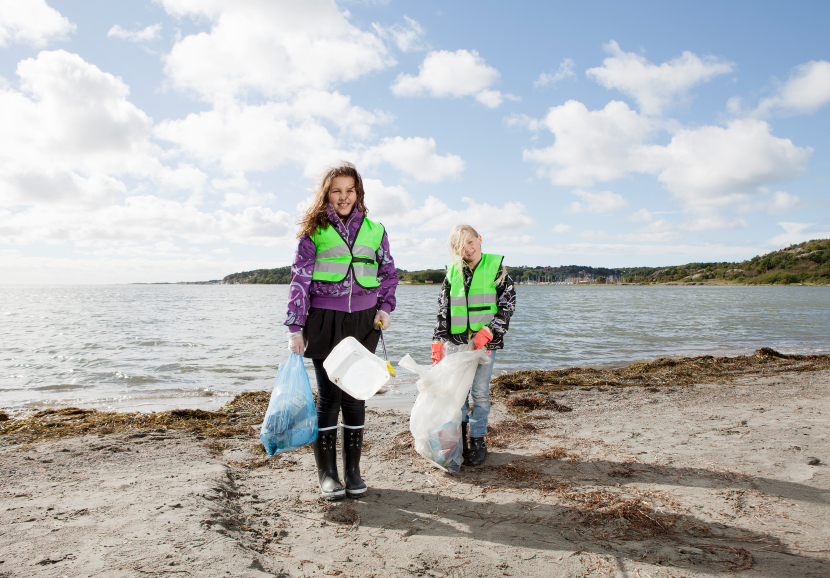
 Great American Cleanup 2016 is on March 2
By Alysa Kleinman
Tossing some trash out the window may feel like a victimless crime. In reality, the financial implications of litter are devastating on communities. Thousands of car accidents are caused by litter, which increases insurance rates. Picking up litter costs the United States $11 billion annually. Litter also reduces property values and tourism, can spread germs and viruses, and spoils water quality. In short, we are all victims of litter's effects. The Great American Cleanup 2016 reminds us there is a solution.
Even though the negative effects of litter are obvious, it doesn't prevent people from throwing trash on the ground. The Great American Cleanup 2016 (organized by Keep America Beautiful) is working to solve that issue.
You see, if one person tried to pick up every piece of litter across America it would be impossible. But if each of us picks up one piece we can easily solve the problem together.
The Great American Cleanup kicks off the first day of Spring on March 20, 2016. It's the nation's largest community improvement program with more than 20,000 communities and 4 million volunteers participating. Last year, volunteers for the Great American Cleanup picked up 62+ million pounds of litter and debris and returned more than $175 million in measurable benefits to these communities.
This year, Keep America Beautiful says that the goals vary depending on the communityâ€â€Âfrom renewing parking and trails, to cleaning shorelines and waterways, to removing litter and debris, to reducing waste and improving recycling, and even planting new flowers, trees, and community garden.
"It is humbling to see the millions of volunteers that turn out each year to our affiliate's Great American Cleanup events," said Jennifer M. Jehn, President and Chief Executive Officer of Keep America Beautiful. "We look forward to a very rewarding 2016 with increased participant engagement, more impactful projects and to taking measurable steps to ensuring each community is a clean, green and beautiful place to live."
Ready to lace up your working boots and help out? Contact Keep America Beautiful at [email protected] to find your local affiliate.
Keep the spirit of the Great American Cleanup 2016 alive
The website Conserve-Energy-Future.com gives a good description of how to stop littering. "Reducing litter is just a three-step process: stop littering, pick up litter, report if you find someone littering illegally."
It really can be that simple. While America's littering problem is big, your small steps can have a lasting impact on the beauty of your community. Set the example for young adults and children by showing that littering isn't just "no big deal." Organize a group from your neighborhood or family to clean up a littered park in your community. Or if you are driving or walking and see litter, don't just ignore it, but pick it up.
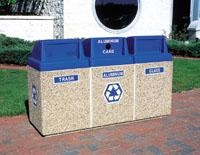 Recycling receptacle
Recycle! We cannot emphasize that enough. Set up recycling at your work (Recycling @ Work) is a program dedicated to just that), or within your neighborhood, park, or local schools. The small effort of placing recyclable materials in special recycling receptacles makes a massive dent on our overflowing landfills.
Trash Receptacles Keep the Litter Contained
Think about the last time you saw litter or trash piling up with more people contributing to the pile. It was probably at an outdoor community event or concert, where the typical supply of trash receptacles can't keep up with the demand.
When guests can't find trash and recycling bins, they are more likely to give up and toss their trash on the ground. Additionally, overflowing or spilling trash cans actually encourage littering. A survey by Populus found that 90% of respondents felt that seeing litter encouraged others to drop litter. This was also backed up by Keep America Beautiful, whose findings showed that 15% of littering is effected by the environment or existing litter.
It's important to strategically place your trash receptacles to reduce the need for litter clean-up. When considering your trash and recycling bin placement, ask yourself the following questions:
- What kind of trash can should I purchase? Purchase a large receptacle that clearly looks like a trash can and has a hole large enough for bigger pieces of trash. Many customers prefer trash cans they don't have to touch to open. Additionally, the sturdiest trash cans are mounted in-ground to prevent damage from normal wear and tear, theft, or bad weather.
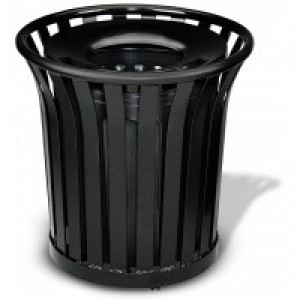 Trash receptacl
- How many trash receptacles do I need? Monitor the amount of trash and recycling your bins. If they are consistently full or overflowing, then you should consider emptying the trash cans more and installing additional receptacles. Take extra steps to set up temporary trash cans during special events where large crowds gather. If your guests are part of a younger crowd, you may need more trash cans. Young adults of the ages 21-35 are the most likely to litter.
- Where should I place them? To find the perfect placement, look for where people congregate. It might be near picnic tables, benches, trails or pathways. Locations with a lot of trash include busy intersections, fast food areas, bus stops, shopping malls, and building entrances. Your trash receptacles and recycling bins need to be within 20-30 feet of these busy areasâ€â€Âpeople are more likely to litter when the trash cans are too far away. The Project for Public Spaces also recommends interviewing local sanitation workers to discover any littering problems that need to be resolved.
- How do I maintain the trash cans? Depending on the material you select, you may have to maintain the trash receptacles to keep rust, stains, and vandalism at a minimum. Galvanized steel and aluminum are two solid materials that can withstand heavy use. Additionally, make sure the trash is emptied regularly by replacing with high-quality liners (use metal liners where barbeques are common to prevent fires in plastic liners).
With plenty of clean trash receptacles nearby, people have absolutely no excuse for littering. As the Great American Cleanup Day continues helping communities tidy up their messes, hopefully it will help people think twice before making a mess of our Earth.